

.png)
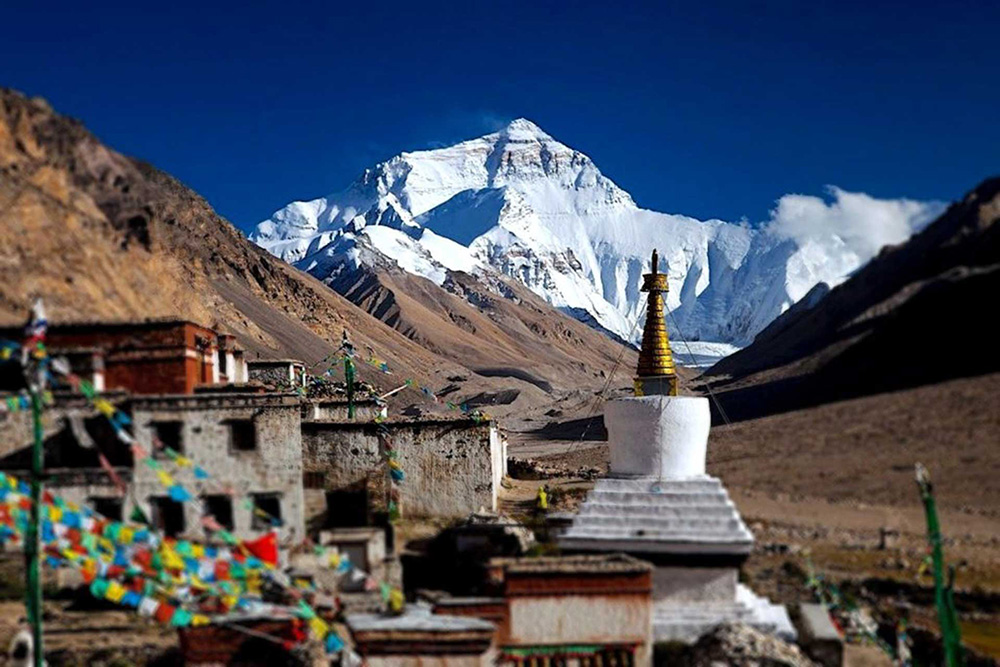
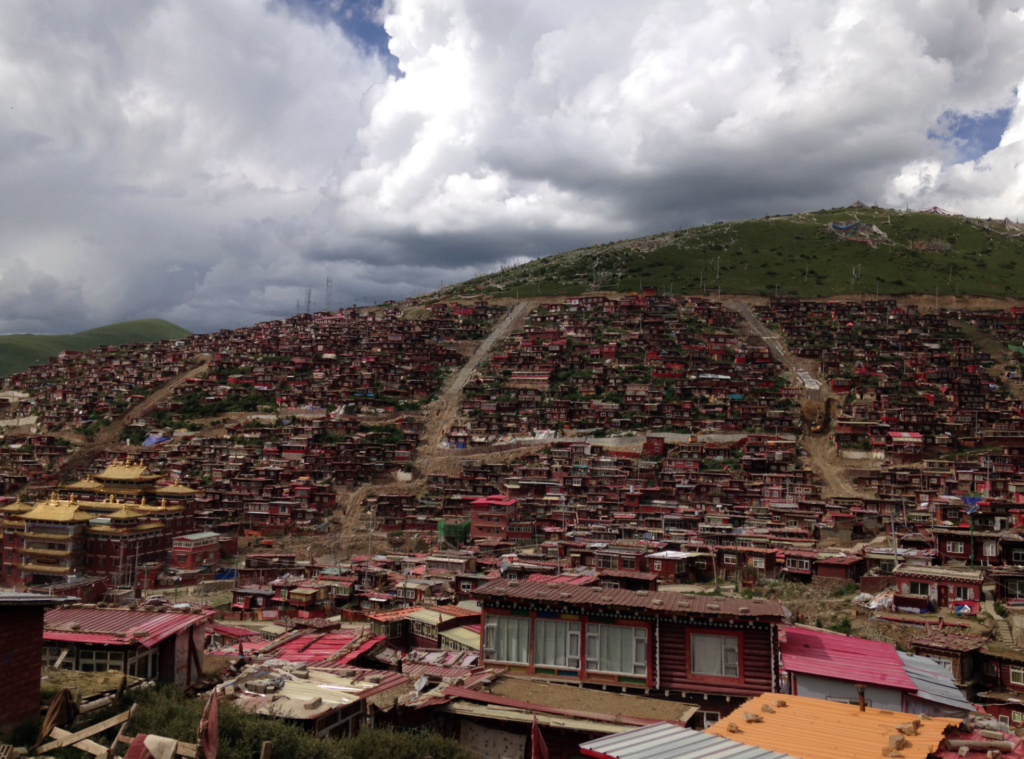
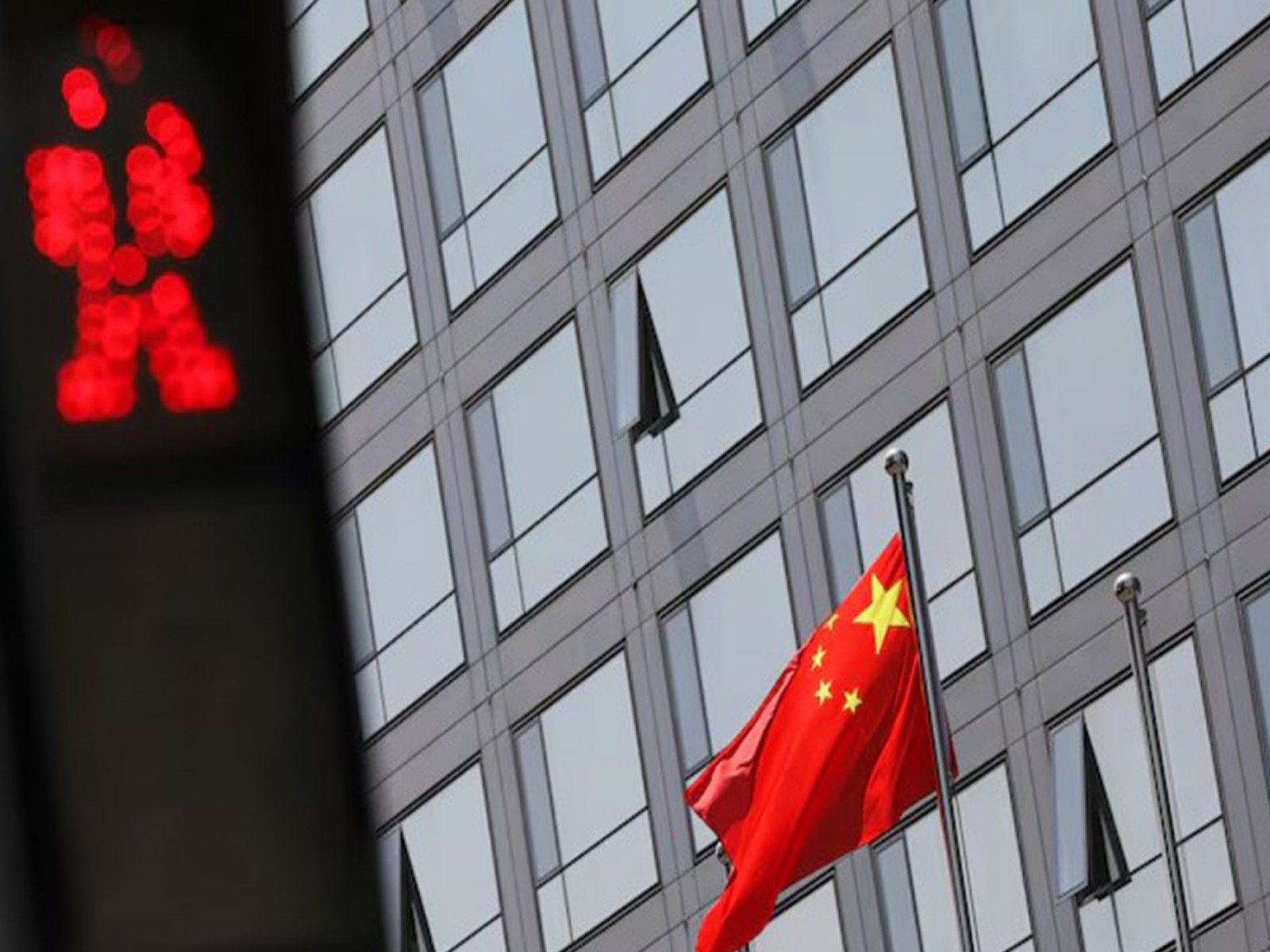
In the shadow of the Himalayas lies a land whose spiritual resonance and geopolitical weight have long captivated empires. For China, Tibet is no longer just a frontier—it is a fulcrum of strategic ambition, national security, and ideological consolidation. The Chinese Communist Party’s (CCP) evolving strategy reveals not only a desire to control territory but to reshape identity, ecology, and geopolitics in service of its long-term vision.
Tibet’s location makes it a critical buffer zone. It borders India, Nepal, Bhutan, and Myanmar—countries central to China’s regional calculus. Control over Tibet allows Beijing to fortify its southwestern frontier, particularly along the Line of Actual Control (LAC) with India. The militarization of infrastructure, including dual-use highways and railways like the ChengduLhasa line, reflects China’s intent to project power and ensure rapid troop mobilization in case of conflict. Tibet is the sour...

 (1).jpg)
 (1).jpg)
 (1).jpg)
 (1).jpg)