

.png)
By Khedroob Thondup
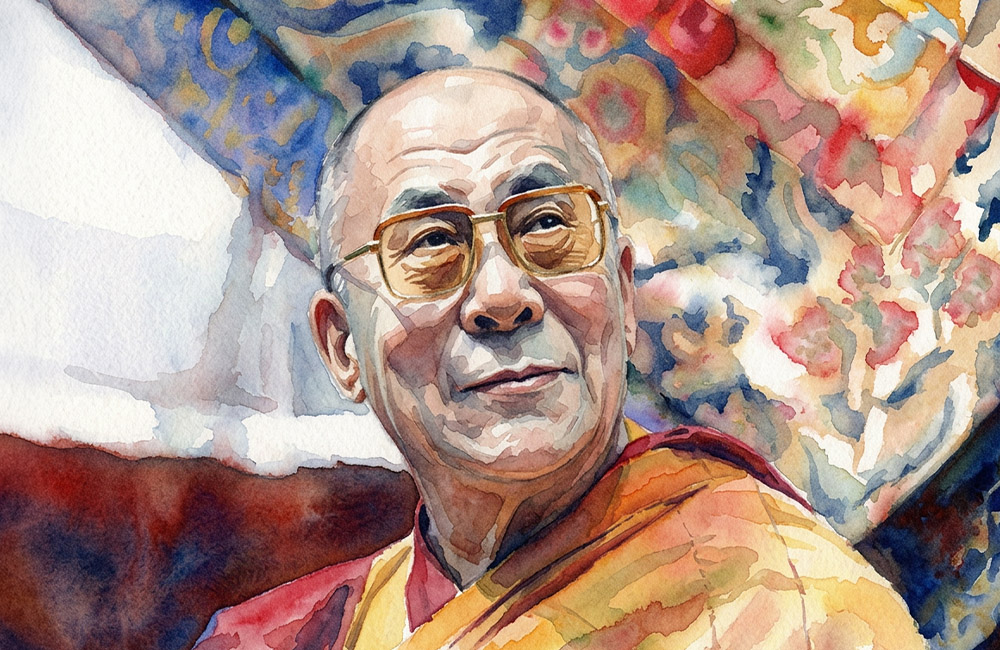
Beijing has consistently refused to negotiate with the Dalai Lama. This stance is not tactical indecision but a deliberate strategy: the Chinese leadership is playing a waiting game, anticipating that His Holiness’s passing will allow them to control succession and neutralise the Tibetan issue. While this approach may consolidate short-term authority, it carries significant risks for legitimacy, stability, and international relations.
Key Drivers of Beijing’s Strategy. Legitimacy concerns: Dialogue would confer political authority on the Dalai Lama, contradicting Beijing’s narrative that he is a separatist figure.Precedent fears: Concessions to Tibet could embolden other minority regions to demand autonomy, threatening centralised governance.Succession control: Beijing intends to appoint the next Dalai Lama through state mechanisms, re...





 (1).jpg)
 (1).jpg)
 (1).jpg)
 (1).jpg)